
How to Mix High and Low Interior Decor Like a Pro

In fact, rooms filled exclusively with high-end designer showroom pieces often feel cold, sterile, and overly staged. The secret to achieving an elevated, deeply personal home lies in the art of the "high-low mix"—knowing precisely where to invest your budget for maximum impact, and where to save without sacrificing style.
Where to Splurge: Touch Points and Anchors
Tactile Seating: Your primary sofa and main armchair carry the functional weight of your room. Invest in hardwood frames, high-density foam or down-blend cushions, and durable, high-performance upholstery that withstands daily use.
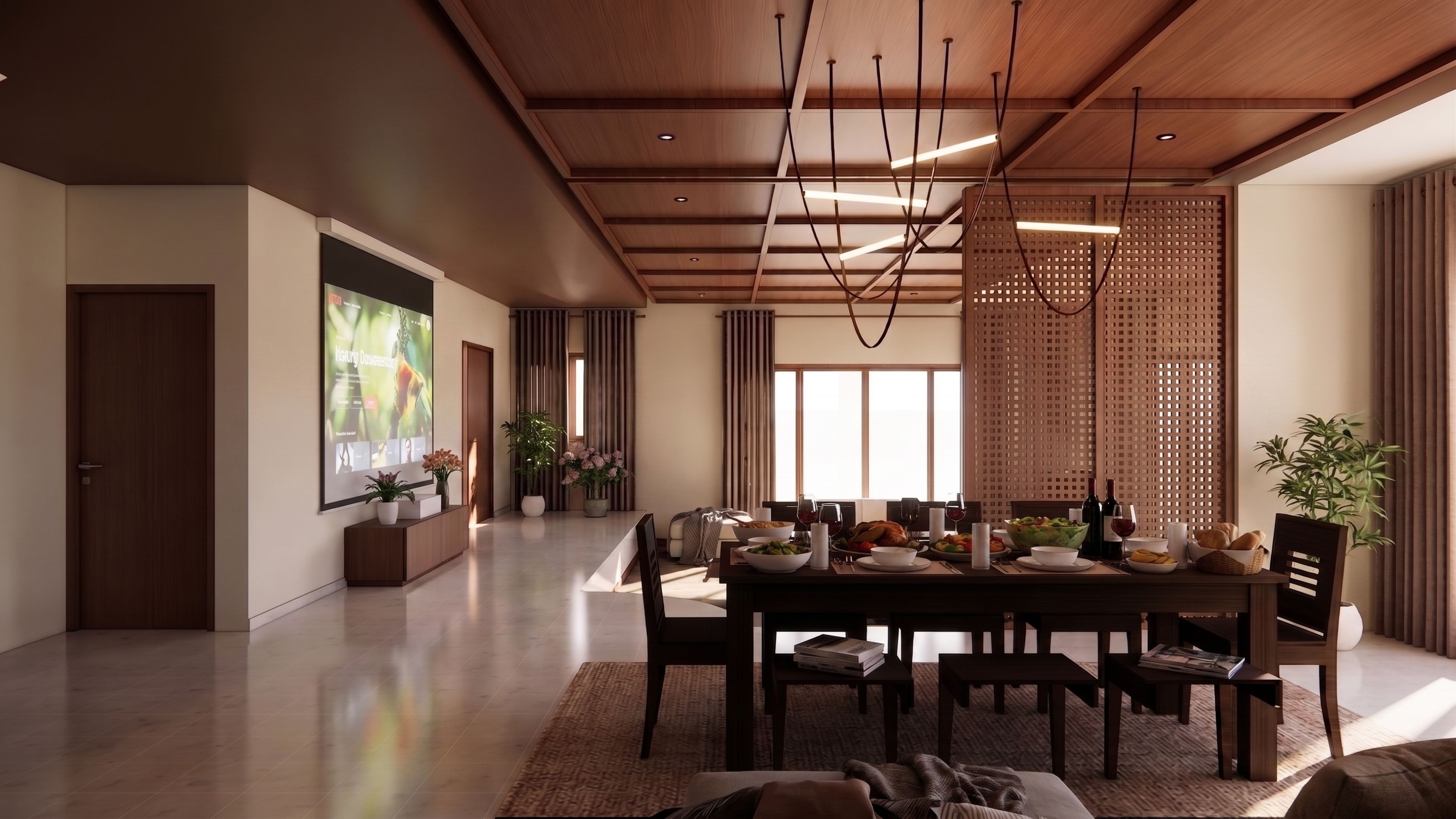
Architectural Lighting: Oversized, sculptural light fixtures act as the jewelry of a room. High-end lighting instantly elevates every surrounding item, drawing the eye upward and setting a sophisticated tone.
Tactile Textiles: Spend on custom drapery and natural-fiber rugs (such as wool or silk blends). High-quality window treatments anchor the room visually and frame your windows with effortless drape.
Where to Save: Accents and Trend Items
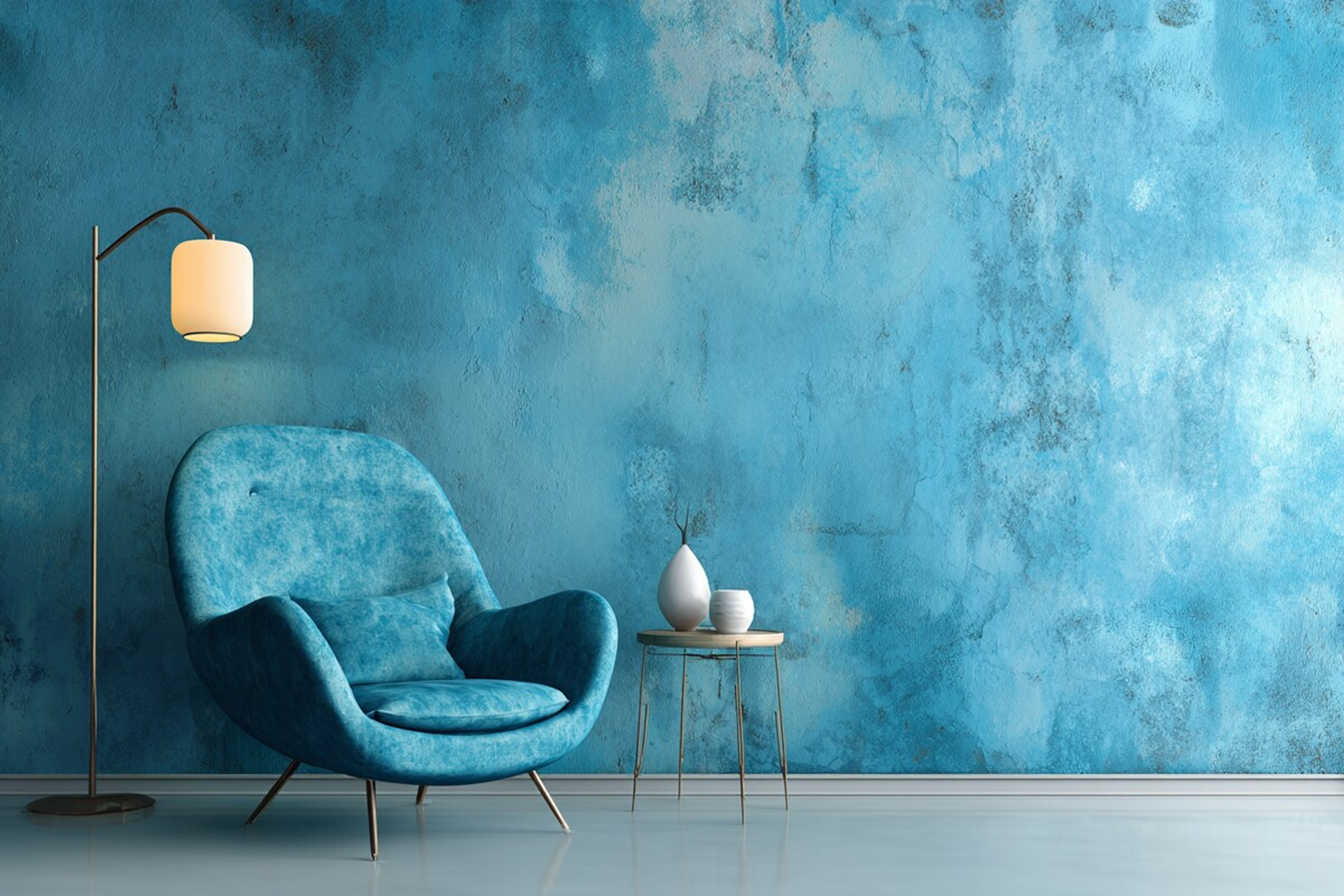
Accent Tables: Side tables, plant stands, and small pedestals do not endure heavy wear. Source these from budget-friendly retailers, vintage shops, or flea markets.
Decorative Styling Objects: Ceramic vases, decorative bowls, and candleholders can easily be found at mid-market home stores or thrifting trips.
Pillows and Throws: Switchable textile accents allow you to experiment with colors and seasonal trends without a massive financial investment.
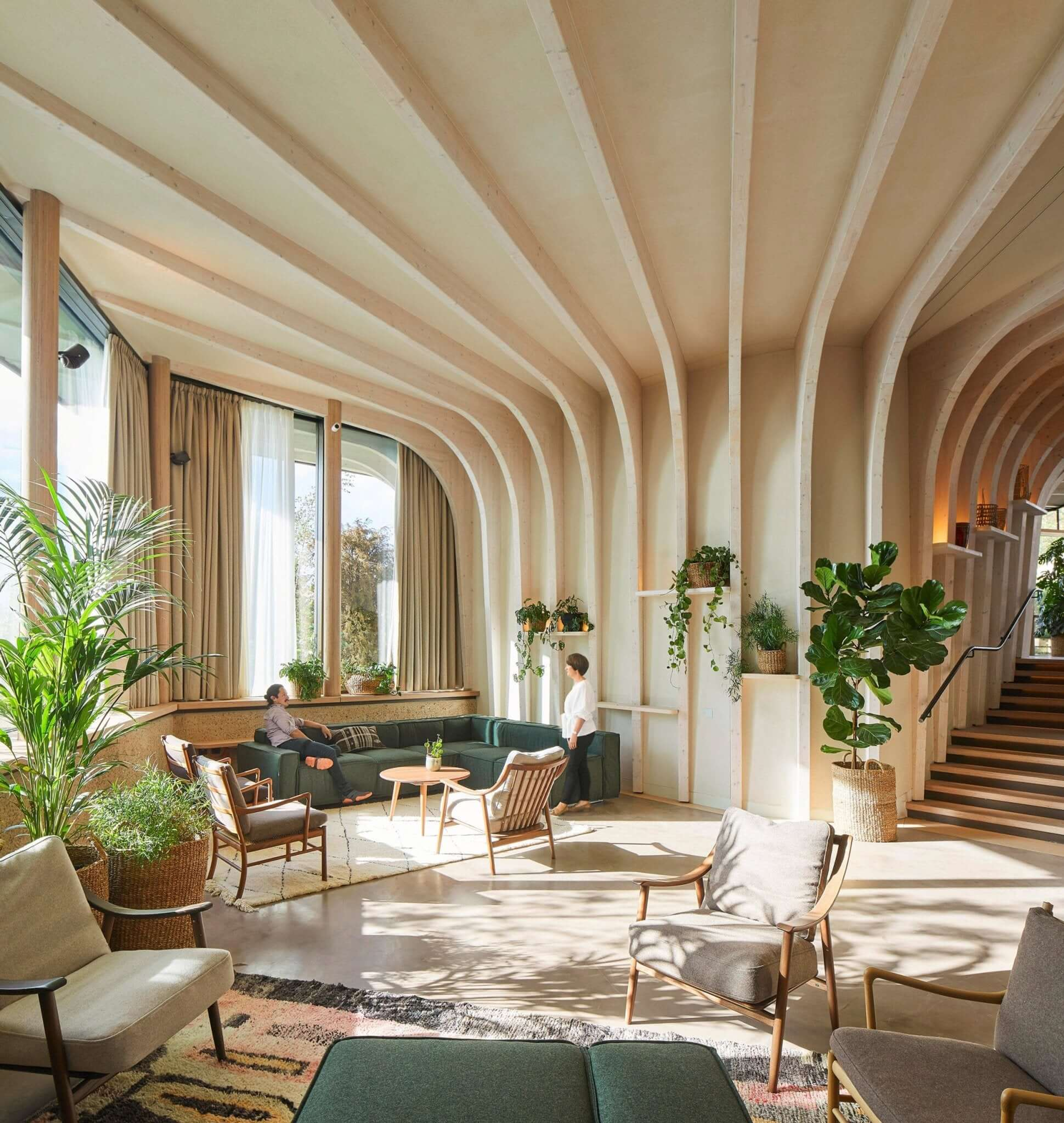
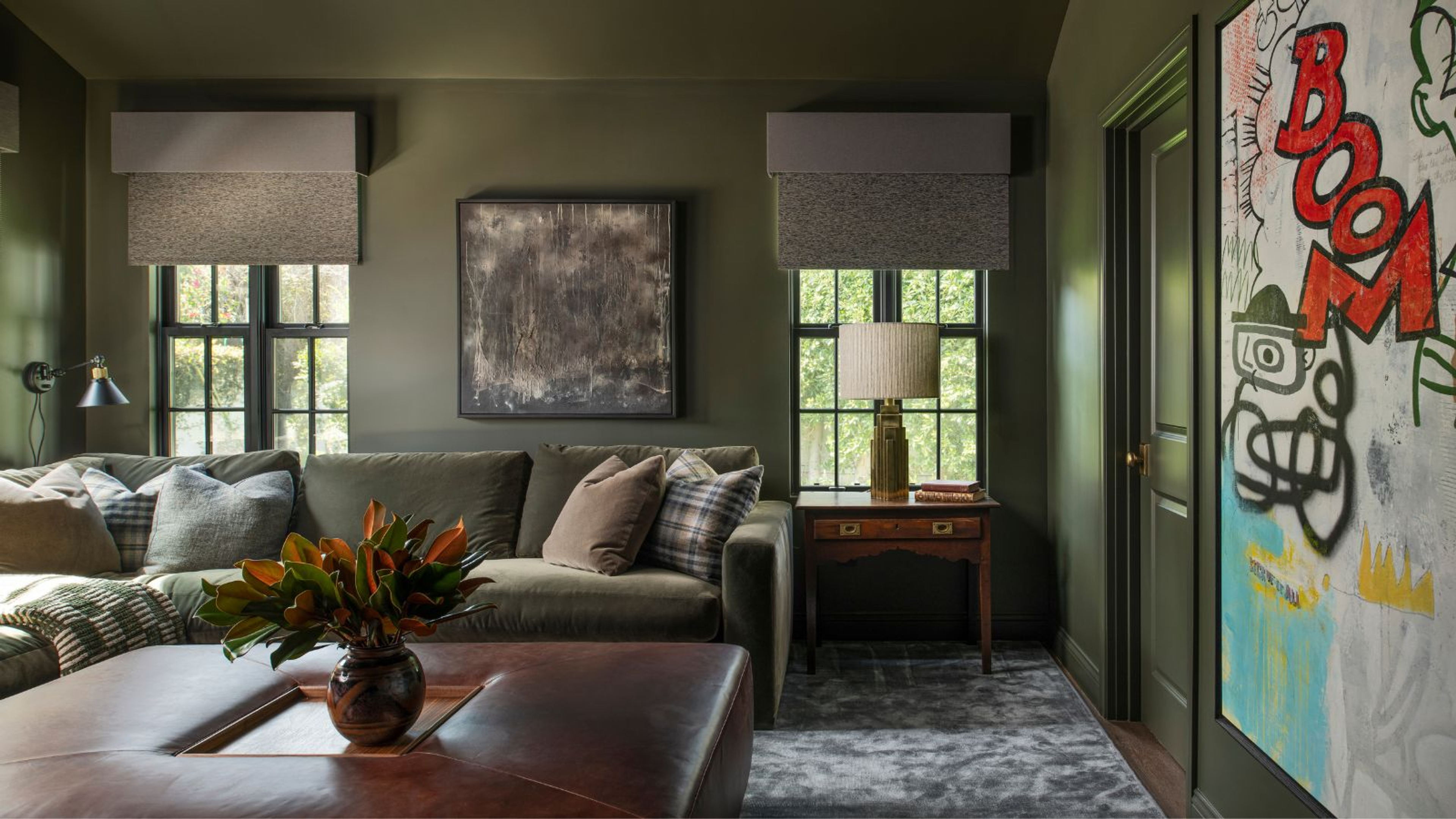
Image Direction: A wide shot of a sunlit living room featuring a custom, low-profile velvet sectional sofa (high) paired with curated vintage wood side tables, a textured flat-weave rug, and affordable ceramic styling objects (low).
Ready to transform your home with a balanced, expert vision? Contact our design studio today to schedule your consultation.
Have a project in mind?
Tell us about it.
We work out what you actually need before anything is drawn — how the space gets used, what it should cost, and what is worth keeping.